Notifications
4 minutes, 54 seconds
-57 Views 0 Comments 0 Likes 0 Reviews
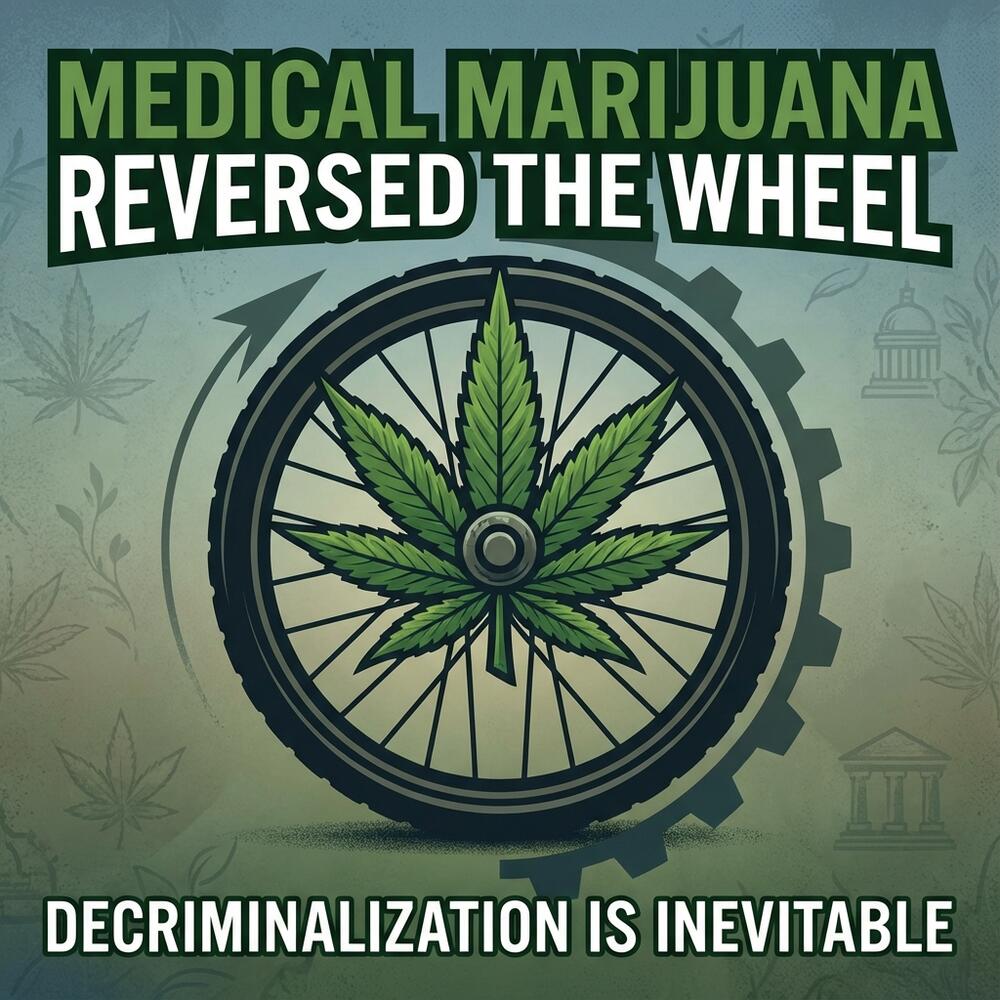
Congress admits there’s no roadmap for enforcement. That’s because the cannabis industry isn’t just plants anymore — it’s an entire wheel of businesses, too large and too normalized to keep banned.
By: Theresa Yarbrough Founder/Director Georgia Cannabis Industry Alliance December 9, 2025
For decades, legislators told marijuana activists they were fighting a losing battle. Prohibition had built its own wheel of businesses, they boasted — too vast, too entrenched to dismantle.
Prison contracts
Rehab centers
Drug‑testing labs
Law‑enforcement budgets
But in the end, it wasn’t activism alone that cracked the machinery — it was greed. When state legislators carved out monopolies for corporate‑funded medical marijuana, they dismantled the very wheel they once defended.
History has turned. That old wheel of punishment has been replaced by a new wheel of invention — one rooted in patient care, innovation, and economic growth. And now, the very infrastructure once used to argue prohibition was entrenched makes decriminalization inevitable.
Yesterday, while reading a congressional paper that makes clear Congress has no idea how to enforce the new federal ban on intoxicating hemp products, it struck me: medical marijuana has spun off a giant wheel of businesses. What began as patient access has now expanded into:
Remediation → Terpene companies
Testing → Labs, compliance firms
Cultivation → Lighting, soil, nutrient suppliers
Retail → Packaging, software, security systems
Medical programs → Wellness brands, CBD clinics, patient advocacy groups
Events & education → Conferences, training programs, media outlets
Each spoke of the wheel represents jobs, tax revenue, and cultural normalization. Together, they form an ecosystem so vast and entrenched that prohibition can no longer contain it. The cat is out of the bag, and there’s no way to put it back in.
The cannabis economy is no longer just about cultivation and retail. Ancillary businesses now represent a multi‑billion‑dollar market in their own right. Analysts estimate they account for roughly 10–20% of the total U.S. cannabis economy, valued at $38.5 billion in 2024 and projected to exceed $90 billion by 2033. That puts the ancillary sector at $4–8 billion annually — a scale that rivals entire industries.
Much of this growth is indebted to hemp‑derived products, which surged to nearly $2.8 billion in sales in 2023. Even outside regulated marijuana programs, innovation and demand have built a wheel too vast to ignore, let alone dismantle. Legislators may cling to outdated monopolies, but the economics and cultural momentum make that position unsustainable.
The numbers already prove expansion is inevitable. Ancillary businesses rival entire industries, and the market now demands flower — both marijuana and hemp.
Americans’ love for cannabis has carried the market beyond extractions and distillates. What it calls for now is a return to flower. That demand is more than consumer preference; it is the signal that prohibition has collapsed under its own weight.
The monopoly era is over. Whatever made operators believe they could sustain it, the people’s voices have proven louder than corrupt politicians. The wheel has turned. What began as punishment has become invention. What began as monopoly has become momentum. And now, the step activists have always envisioned is finally within reach: decriminalization. Not someday — now.
Once more, let it be declared: greed cracked the wheel, and in that fracture, activists finally saw the light at the end of the tunnel.

We believe in the power of connections. Our platform is more than just a social networking site; it's a vibrant community where individuals from diverse backgrounds come together to share, connect, and thrive.
We are dedicated to fostering creativity, building strong communities, and raising awareness on a global scale.



Share this page with your family and friends.